How to Prepare for Your First Streetlifting Meet
Most first meets go wrong due to poor preparation rather than a lack of strength. Learn how to prepare for your first streetlifting meet by mastering weigh-in logistics, attempt selection, and the essential equipment you need for success.
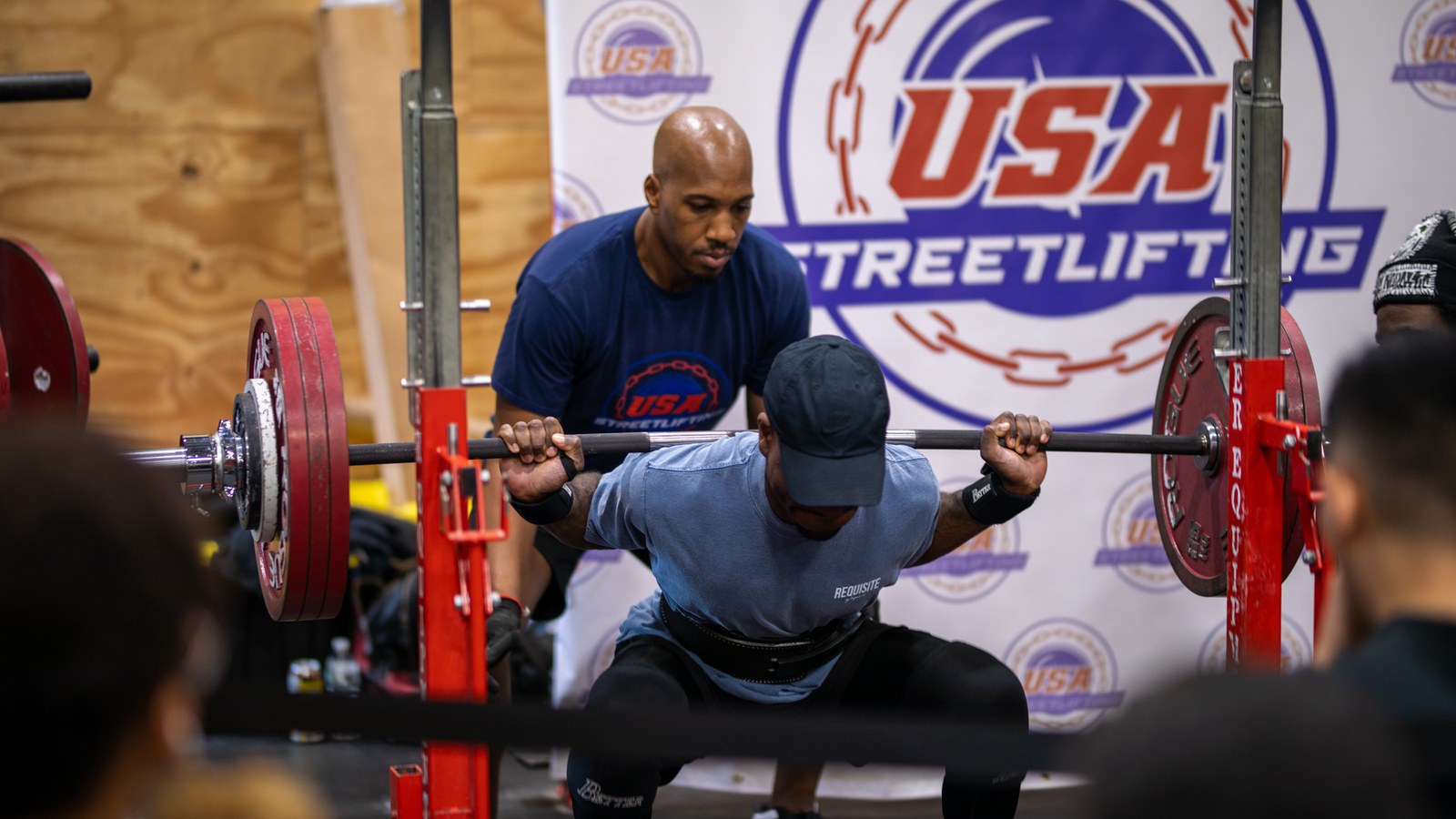
Many first-time competitors spend months getting stronger for their meet. Then they arrive on competition day and realize strength was only part of the preparation.
Before you've touched a bar, you'll make decisions about weigh-ins, opening attempts, equipment, and competition logistics. If those decisions haven't already been made, meet day becomes a series of rushed choices under pressure.
Your first streetlifting meet doesn't need to be stressful. The goal isn't to know every detail of the rulebook. It's to understand what needs your attention before you walk through the venue doors.
Your Preparation Starts Before the Weigh-In
Many athletes think the weigh-in is simply a bodyweight check. In reality, it's one of the most important parts of your competition day.
During the weigh-in window, you'll confirm your registration, complete the required paperwork, and submit your opening attempts for every lift you'll perform. That means you need to know your first attempts before stepping on the scale.
If you're competing in All4, you'll also confirm details like squat rack height and any equipment information required by the meet organizers.
Athletes who arrive prepared move through the process confidently. Athletes who haven't planned ahead often find themselves making important decisions while standing in line.
One of the biggest sources of stress for first-time competitors is choosing opening attempts. That's why it's worth making those decisions well before meet day instead of trying to figure them out in the moment.
Understand the Competition Before You Compete
Streetlifting follows a structured competition format.
Each lift has three attempts, and every successful lift contributes to your final total. Once your name is called, you have a limited amount of time to begin your attempt. Between attempts and between lifts, the competition continues to move whether you're ready or not.
This structure rewards preparation.
Knowing how attempts work, when decisions need to be made, and how the competition flows allows you to focus on lifting instead of constantly reacting to what's happening around you.
Your first meet is not the time to improvise.
Bring Equipment You Know You Can Use
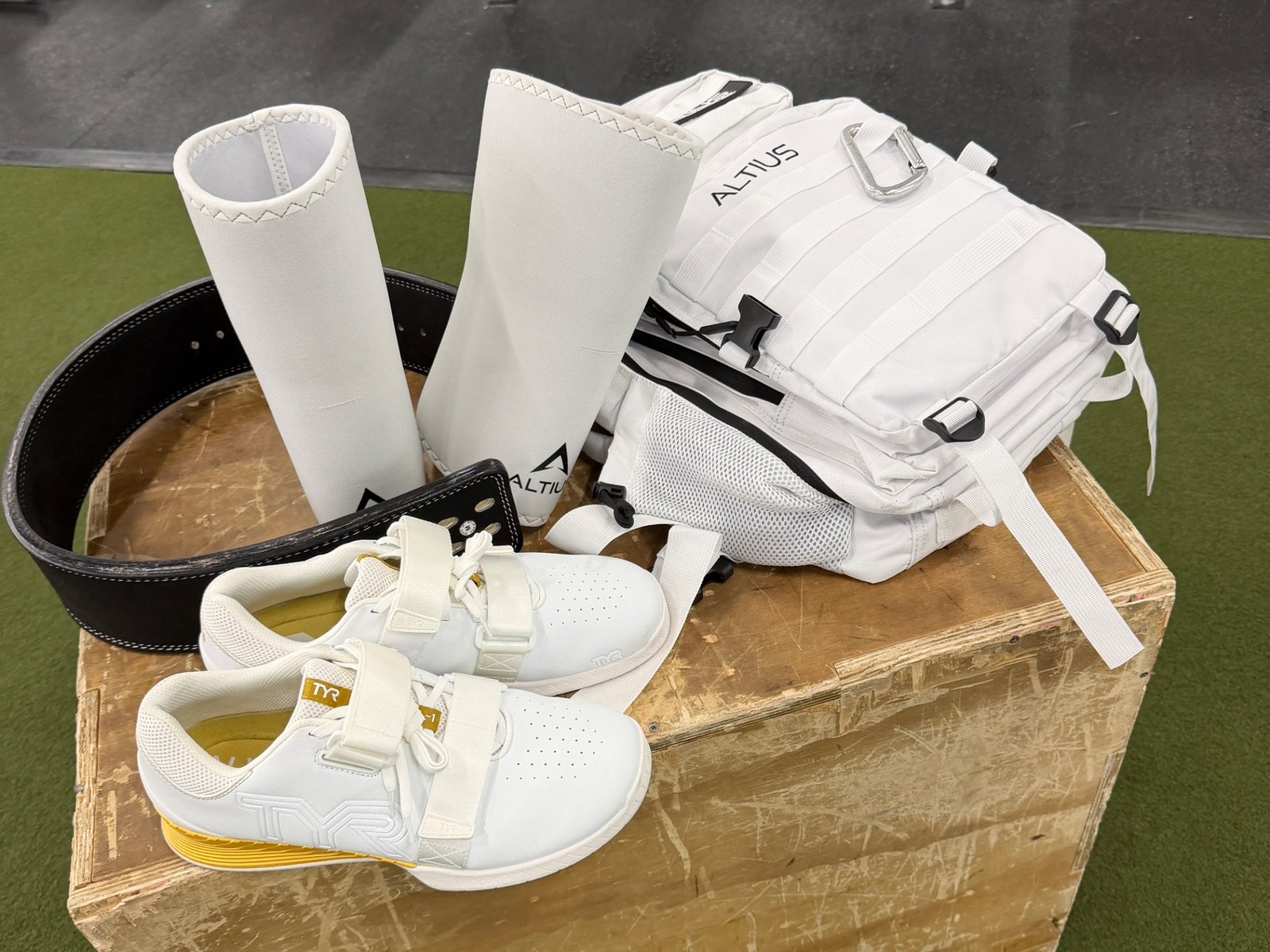
Competition is also different from training because equipment rules matter.
USASL competitions are contested raw, meaning only approved equipment is permitted. Chalk is allowed, but many grip aids commonly used in gyms are not. Your belt, sleeves, wraps, footwear, and dip belt all need to meet competition requirements.
Just as importantly, you should compete with equipment you've already trained with.
Meet day isn't the time to break in new shoes, experiment with a different belt, or try a supplement you've never used before. Eliminating unknowns gives you one less thing to worry about when it's your turn to lift.
Rather than thinking about equipment the night before, make sure you've verified everything well in advance.
Know What Meet Day Looks Like
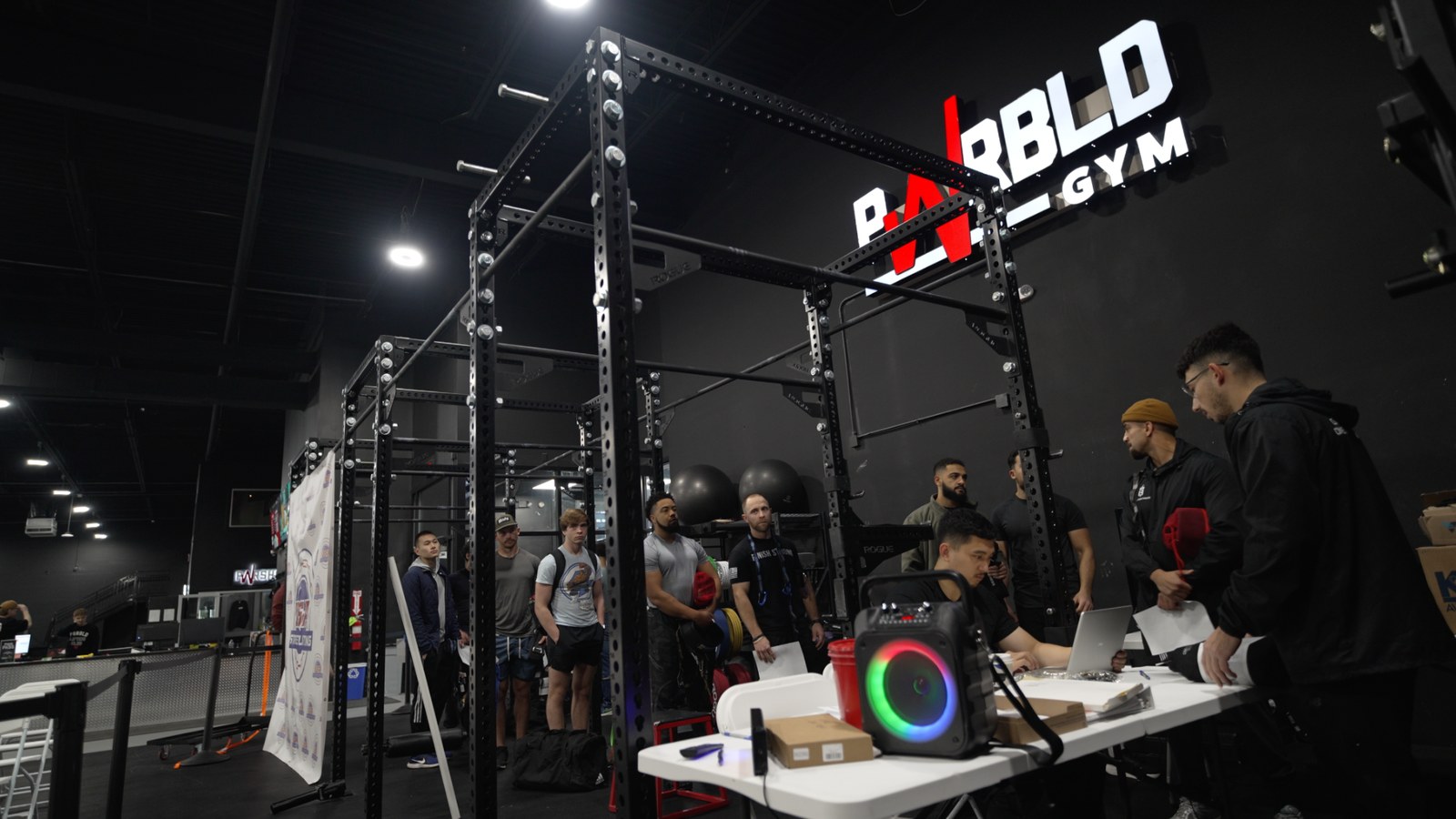
Every competition has its own schedule, but the overall flow is consistent.
Athletes check in, complete weigh-ins, warm up, and compete in flights. The platform is run by judges, loaders, and spotters, allowing athletes to focus on their attempts.
There will be periods where you're lifting and periods where you're waiting. Those breaks are opportunities to recover, eat, hydrate, and prepare for the next event.
The meet moves on a schedule, not on individual athletes. Paying attention to announcements and knowing where you need to be helps everything feel far less overwhelming.
Listen Before You Lift
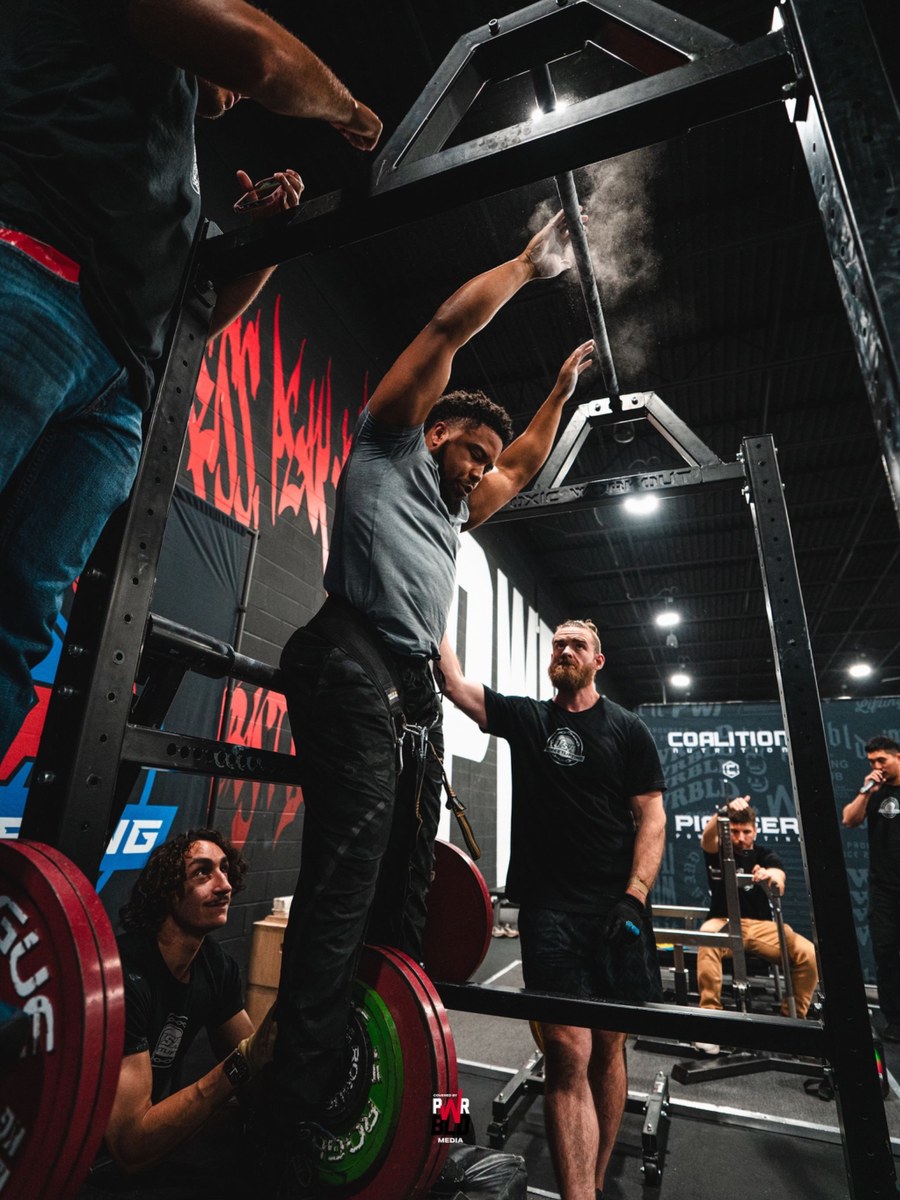
One of the easiest mistakes to avoid has nothing to do with strength.
Every competition lift begins with a judge's Start command and finishes only after the appropriate Rack or Box command has been given.
Moving too early or finishing before receiving that command results in a no-rep, even if the lift itself was strong enough.
This catches more first-time competitors than you'd expect because they train alone and rarely practice competition commands.
Treat the commands as part of the lift itself. If you build that habit during training, it becomes automatic on meet day.
Focus on a Successful First Meet
Many first-time competitors walk into their meet chasing personal records or wondering what it will take to win their weight class.
Those goals can wait.
A successful first competition is about executing a plan, building confidence, and leaving with experience you can build on. Athletes who stay focused on making good decisions usually perform better than athletes who spend the day reacting to unexpected problems.
Preparation doesn't remove every challenge from competition, but it gives you control over the things you can control.
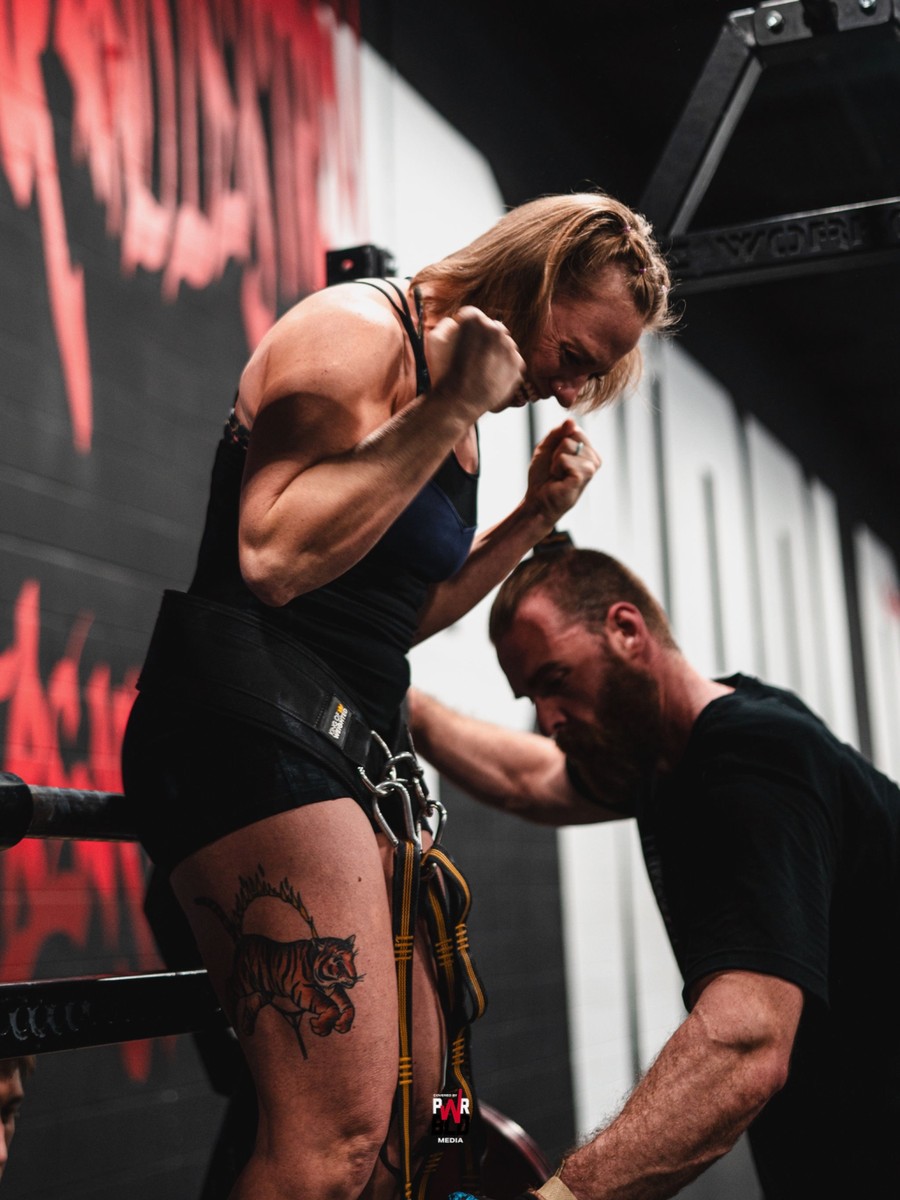
If this is your first streetlifting meet, start organizing your preparation well before competition day. Understanding the process is the first step.
Having a clear plan for each decision you'll make is what allows you to step onto the platform with confidence.
Articles teach principles.
Coaching makes the decisions.
When you are ready for individualized coaching decisions made for you, the next step is an application.